
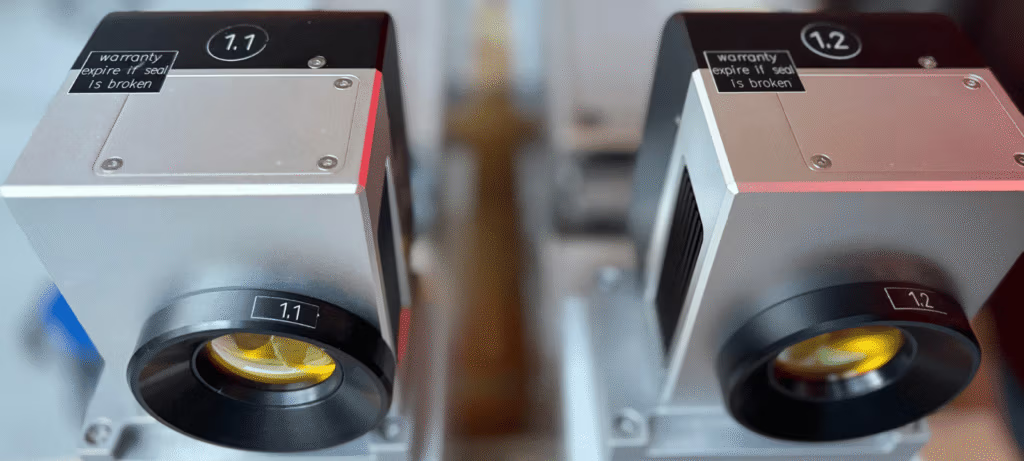
What is Laser Marking?
Laser marking is a non contact identification process in which a focused laser beam selectively modifies the surface of a material. Depending on the material and laser parameters, marking is achieved through color change, engraving, ablation, or annealing.
This process enables permanent and tamper proof marking of components, products, and packaging.
No inks, chemicals, or mechanical tools are required. This is one of the key advantages of laser marking. Content, positioning, and designs can be adjusted digitally with maximum flexibility and speed.
Typical applications include traceability, product identification, branding, functional marking, and regulatory compliance marking.
What Laser Marking Processes exist?
Annealing marking
Controlled heating creates an oxide layer on metals such as stainless steel, resulting in a color change without removing material.
Engraving
The laser removes a thin surface layer, creating a permanent and highly visible recess.
Ablation of coatings and colors
On coated materials, labels, or anodized aluminum, the laser removes surface layers to reveal the underlying material.
Color change on plastics
In plastics, high contrast markings are created through localized color change and slight foaming of the material.
Carbonization
On light colored plastics, paper, cardboard, or wood, the laser creates a dark contrast mark by thermally altering the surface.
Which Materials Are Suitable for Laser Marking?
Metals & metal alloys
Plastics
Films & composite materials
Paper & cardboard
Glass & ceramics
Coated materials, paints, and anodized surfaces
Benefits of Laser Marking
Permanent and tamper proof
Non contact, wear free, and cost efficient
Maximum precision and repeatability
Flexible and digitally controlled process
Learn more ➔
Layouts, content, and positioning can be adjusted quickly through software without mechanical changes.
Easily integrated into production lines
Learn more ➔
Laser marking can be seamlessly integrated into existing production systems, including fully customized machine solutions.
Good to know: Contract Marking Services
For testing, prototyping, and small batch production, we also offer laser marking as a contract service in our advanced laser laboratory. We additionally provide marking and engraving on special materials upon request.
Typical Laser Marking Applications
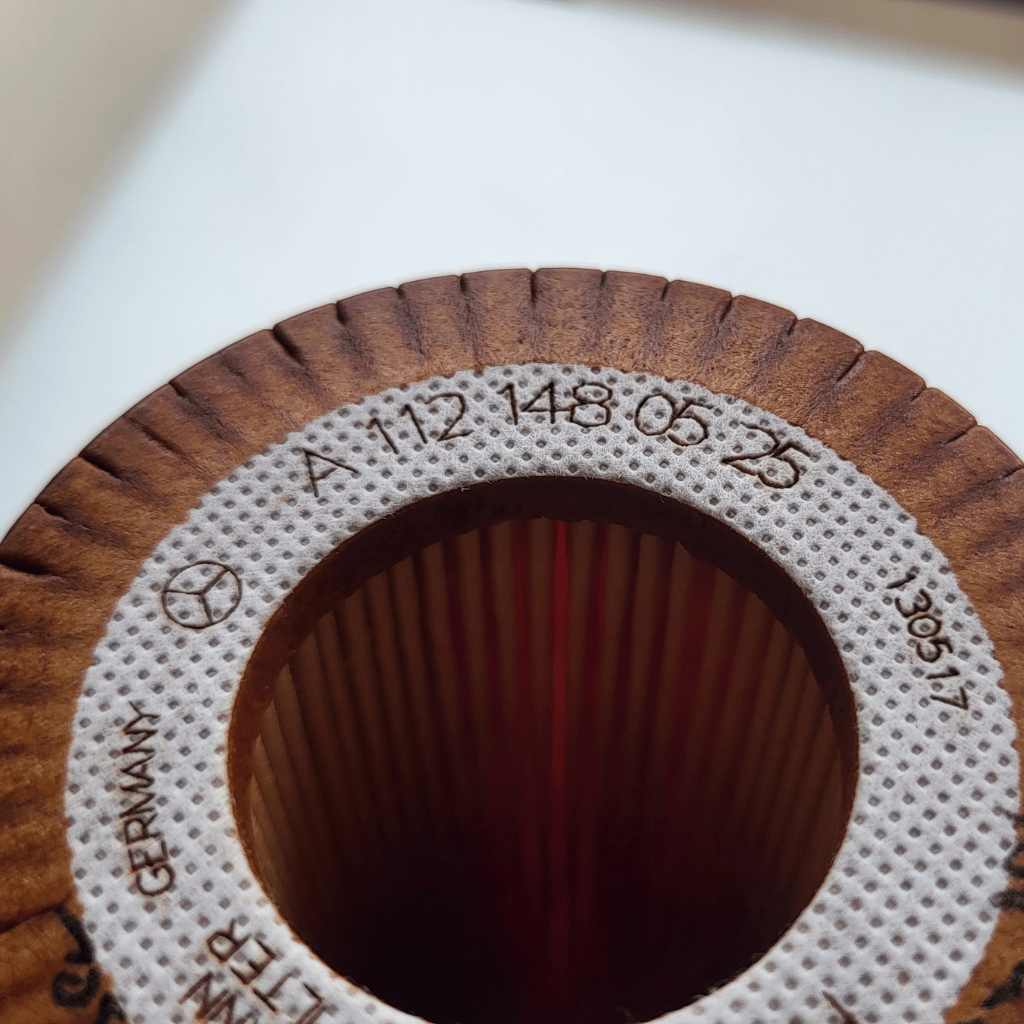
Traceability and serialization
Serial numbers, DataMatrix and QR codes for automotive, electronics, medical technology, security documents, and mechanical engineering.
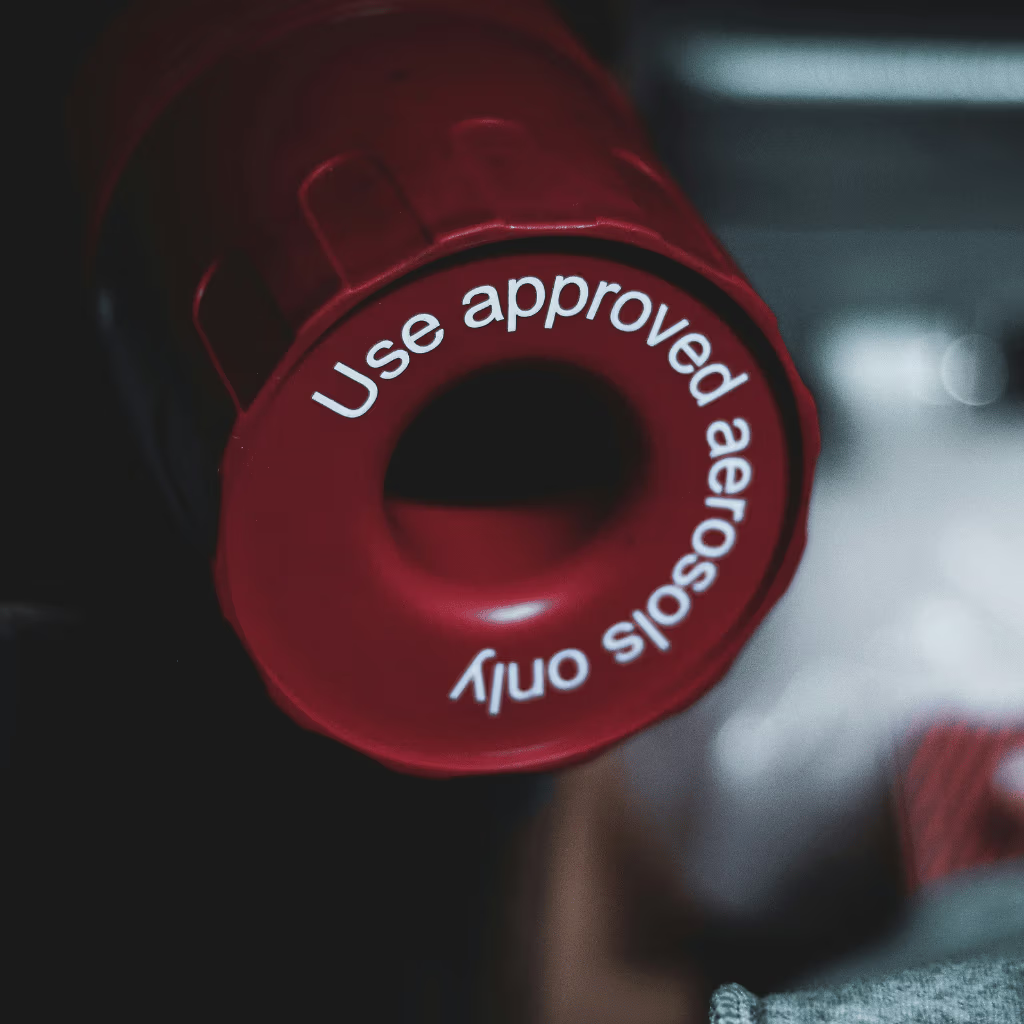
Product and component identification
Permanent marking of components, nameplates, tools, and functional elements.
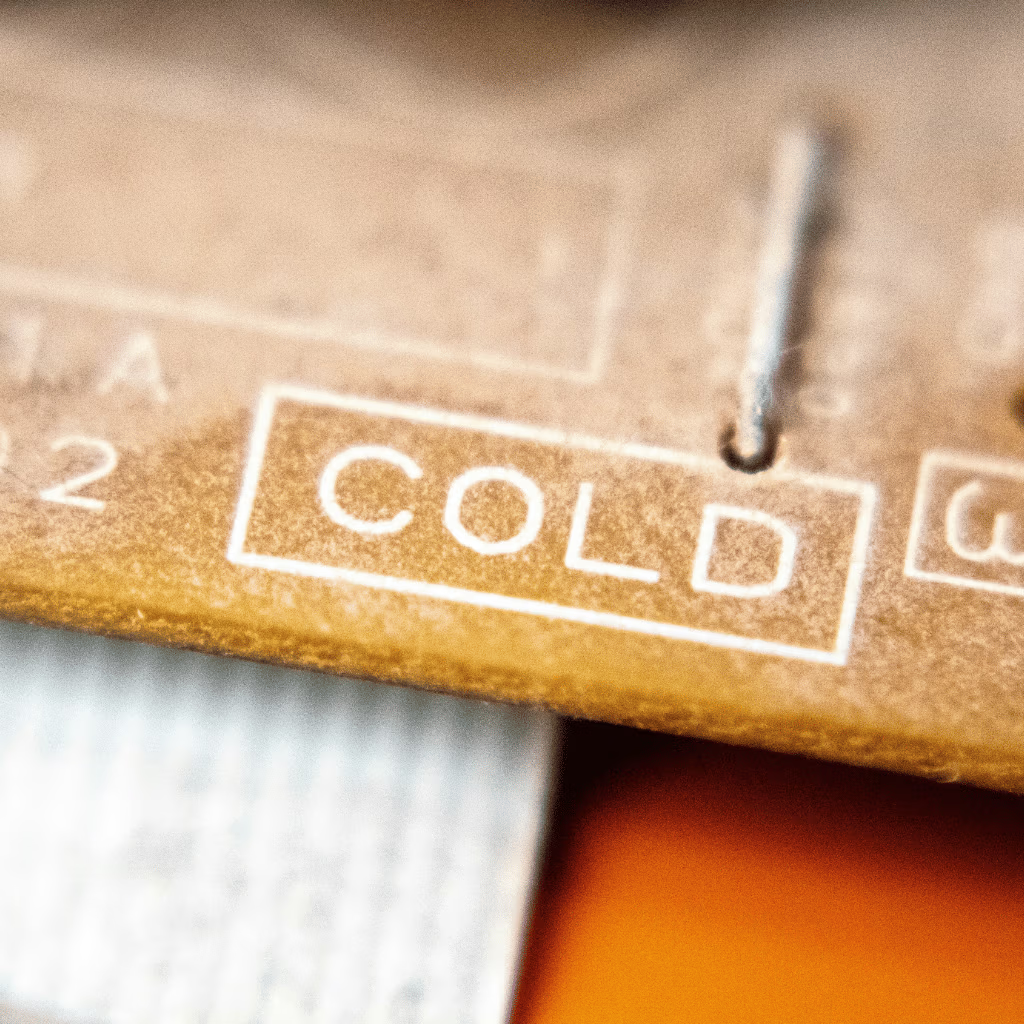
Packaging marking
Batch numbers, expiry dates, logos, and codes directly on packaging, films, or ceramic components
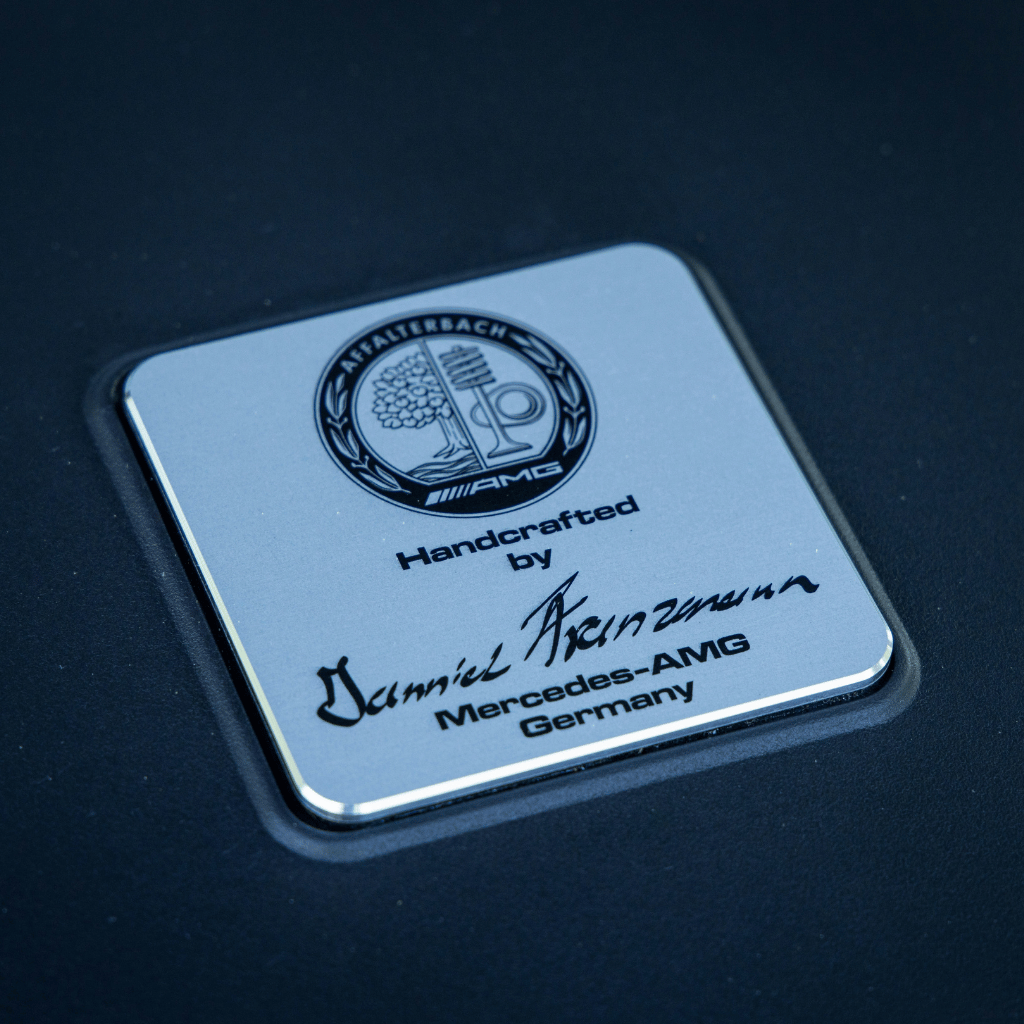
Branding and design
High quality logos, lettering, and decorative markings on visible parts.
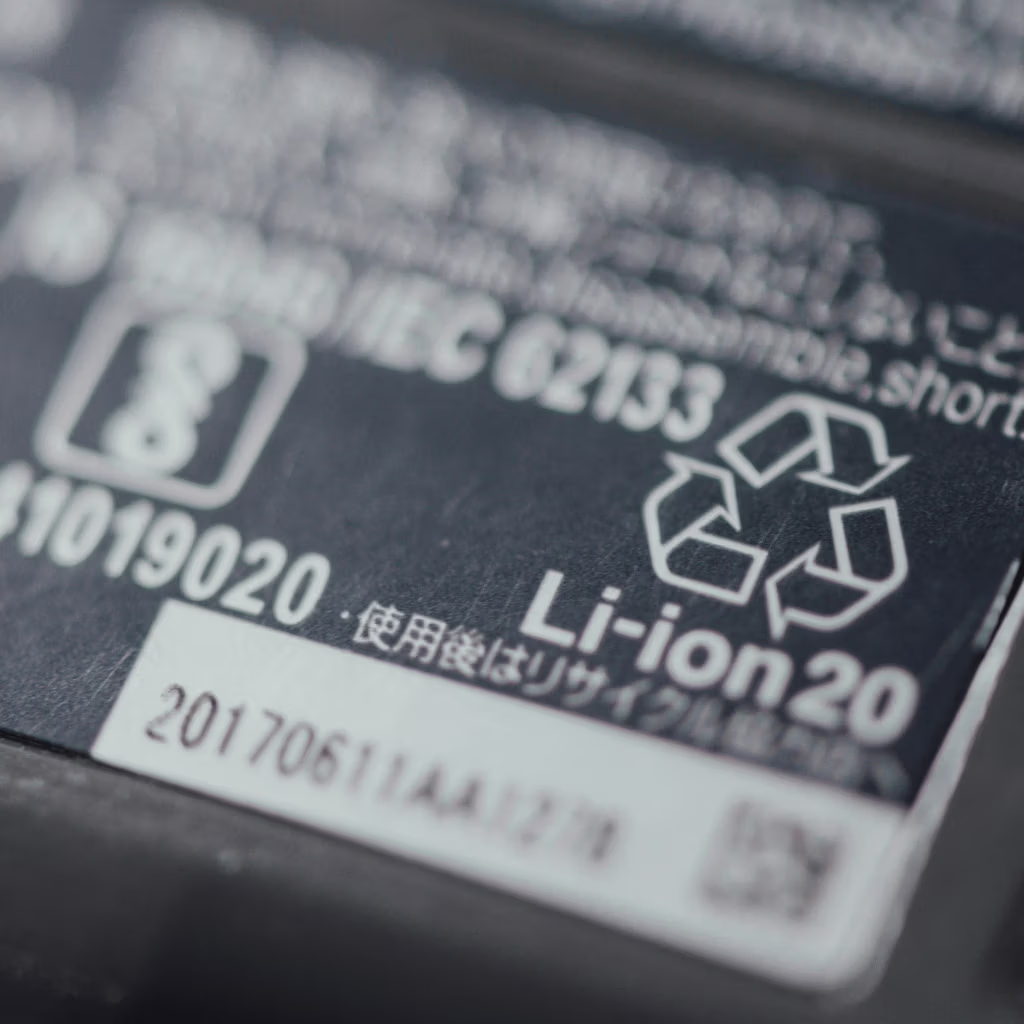
Functional and safety marking
Scales, symbols, warning labels, and technical markings.
Laser Marking Solutions from MLT
MLT laser systems are used whenever customers require laser marking for specialized industrial applications. We offer custom engineered systems ranging from stand alone solutions to fully integrated inline production systems.
We support you from feasibility studies and sample production through to full scale production systems.
Our solutions are used worldwide in packaging, automotive, battery production, medical technology, and mechanical engineering. Our experts are happy to help you find the right solution for your production process.
Frequently Asked Questions (FAQs)
Is laser marking permanent?
Yes. Laser markings are permanent, abrasion resistant, and highly resistant to chemicals, heat, and UV exposure.
Can laser marking be integrated into inline production?
Yes. MLT systems are available as both stand alone machines and fully integrated inline solutions.
Which codes can be marked with a laser?
Text, logos, serial numbers, barcodes, DataMatrix codes, QR codes, and variable data.
Is laser marking cost efficient?
Yes. The wear free and tool free process combined with high production speeds makes laser marking highly cost efficient, especially for large volumes or variable data.
Does MLT support testing and feasibility studies?
Yes. We test your materials and applications and work with you to develop the optimal solution.
What production speeds are possible?
Depending on material, laser source, and marking content, very high cycle rates are achievable, making it ideal for industrial high volume production.
Which laser sources are used for laser marking?
- Fiber lasers: Ideal for metals, additive enhanced plastics, high contrast marking, and high speed applications.
- CO₂ lasers: Best suited for organic materials such as plastics, films, paper, cardboard, glass, and wood.
- UV lasers: Used for very fine, high contrast marking on sensitive materials.
The optimal laser source is selected individually based on material, cycle time, marking requirements, and quality specifications.